

A hall full of eyes in which almost no one sees. Butrus Frings stands alone before August Mond's vast lunar banquet Vita Bona — and finds a picture about the looking we have unlearned.
by Butrus Frings — Stuttgart, 16 June 2026 — To the blog
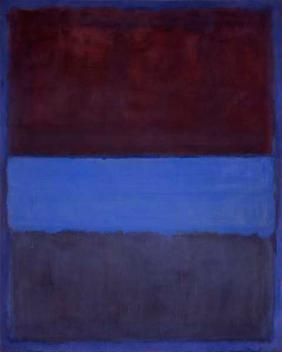
A passionate defense of Rothko against his critics — and an honest reckoning with Richter. Butrus Frings writes alone, from Stammheim, about the painters who shaped him.
by Butrus Frings — Stammheim, 29 May 2026 — To the blog
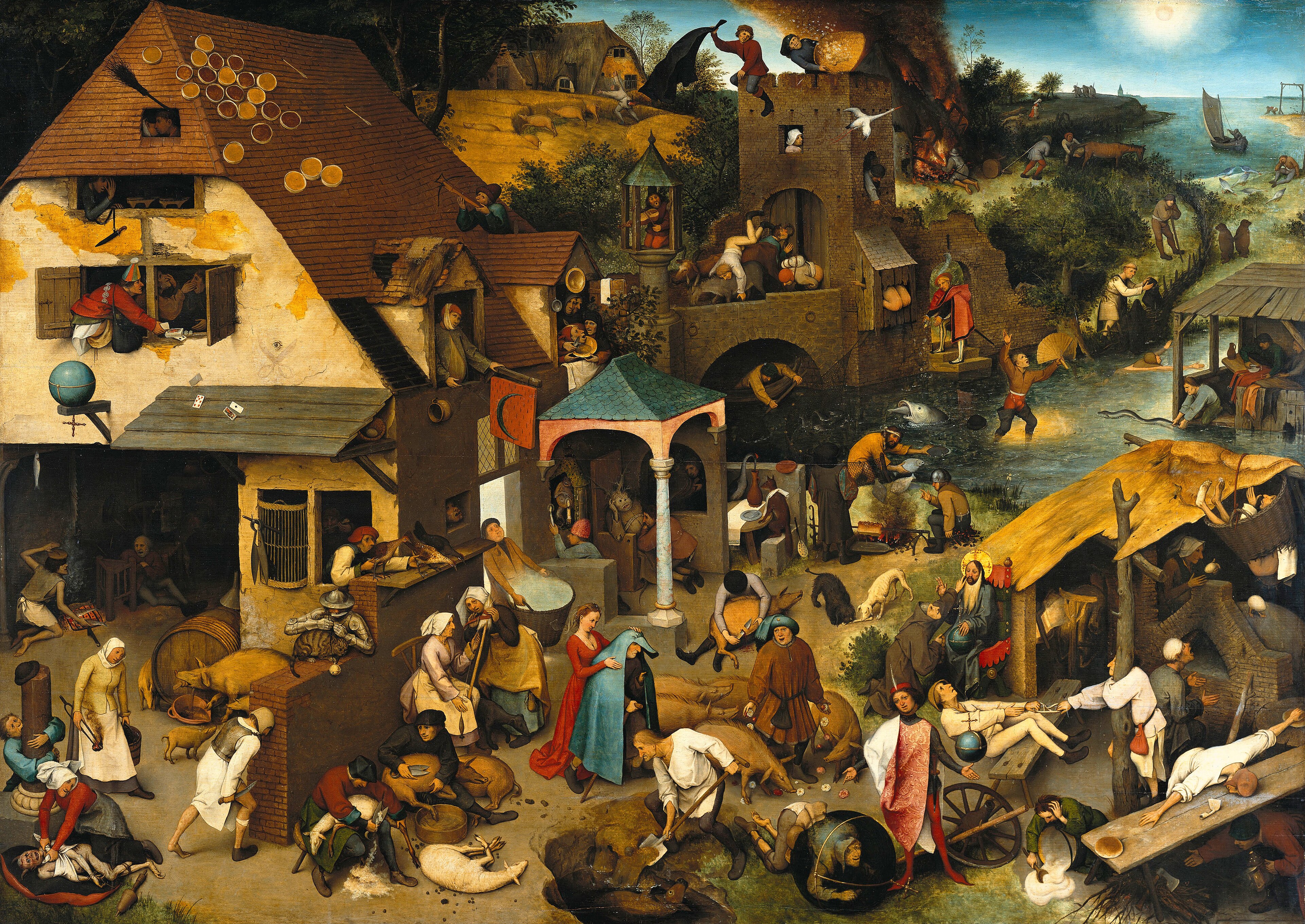
Pieter Brueghel the Younger copied his father's paintings not because nothing occurred to him — but because he believed the concept of the original was a fiction. A 7,200-word dissertation submitted to the Sotheby's Institute of Art London in June 1996, now published here for the first time.
by Butrus Frings — London, June 1996 — To the essay
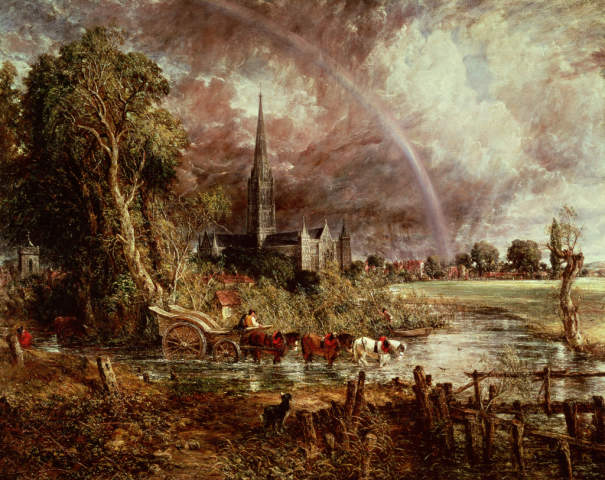
From Pseudo-Dionysius to Lyotard — six philosophers across fifteen centuries who shaped how we look at art, what we call beauty, and why standing in silence before a painting is never as innocent as it seems.
by Butrus Frings — Stuttgart, 20 May 2026 — To the blog
.jpg)
1518, Strasbourg: a woman starts dancing. She can't stop. Within a week, hundreds follow — no music, no destination. Some die. The physicians prescribe: more dancing. Pieter Brueghel, a medieval painting, Regentanz (Raindance): three figures breaking out together. The dancers of 1518 had no choice. Mond's figures do.
by Butrus Frings — Stuttgart, 16 May 2026 — To the blog
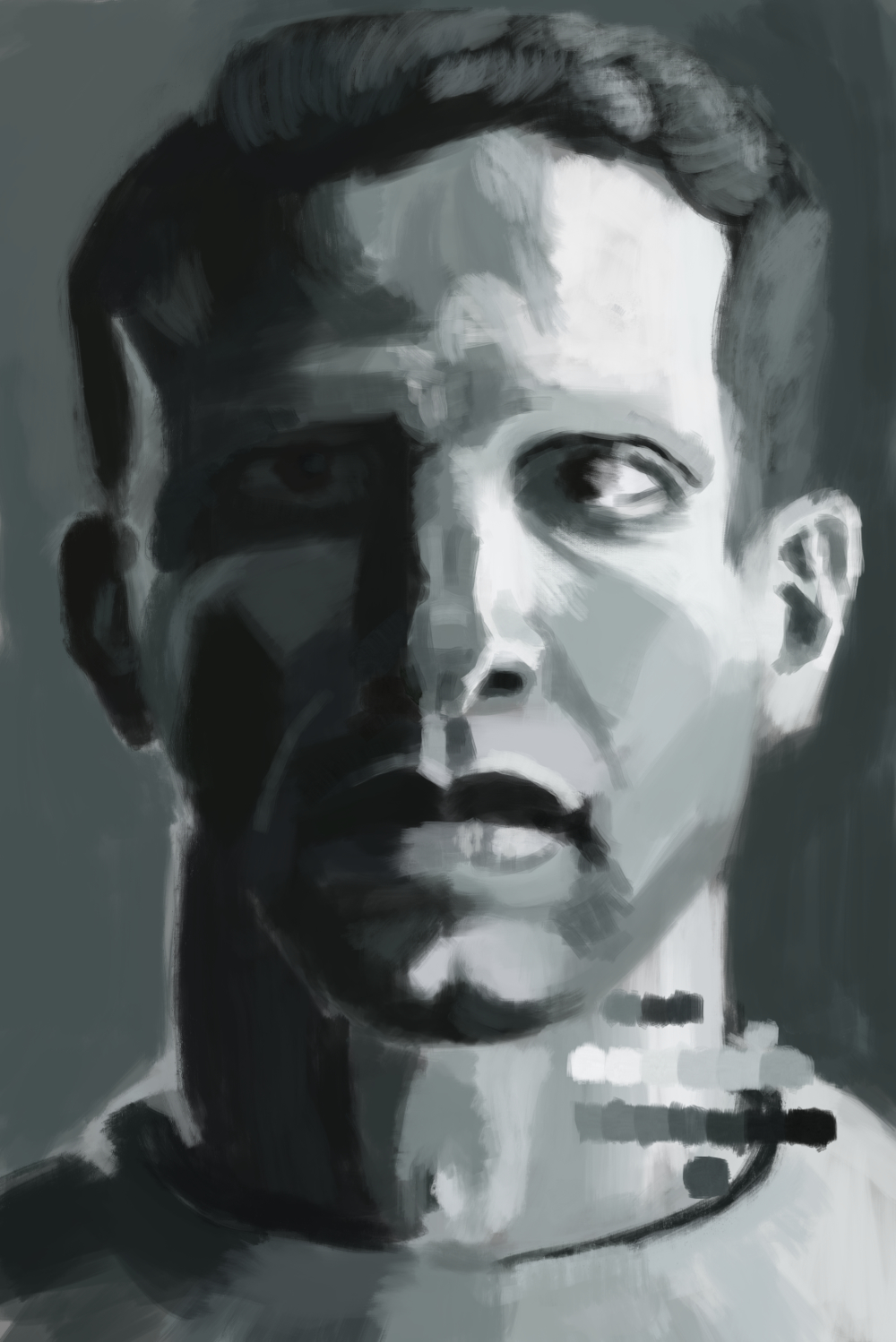
A portrait that refuses to be one. August Mond insists it was nothing more than an exercise — Butrus Frings sees an interrogation. What follows is a conversation about light, tools and dignity, about Velázquez and the question of whether an image needs a story, or whether it's enough to give it one.
by Butrus Frings — Stuttgart, May 2026 — To the Interview